
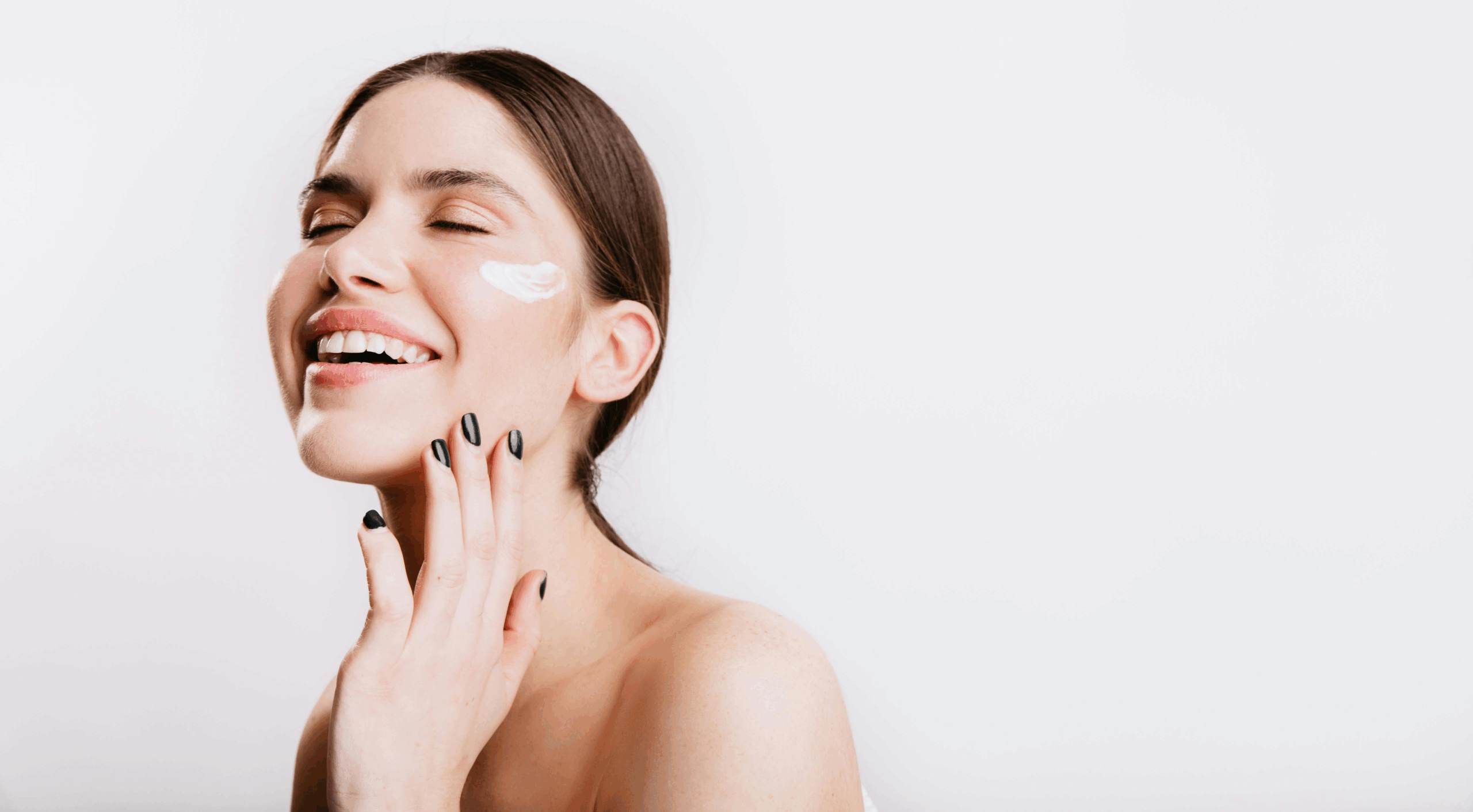
Stress and skin: how it affects your beauty and emotional wellbeing
Stress is not only felt in the mind: it is also reflected in the skin.
Stress leaves its mark. Not only in how you feel, but also in what you see in the mirror: premature wrinkles, acne breakouts, dryness or loss of radiance. Your skin is a silent language that translates your emotions into visible signals.
Understanding this connection is key to learning how to take holistic care of yourself. In this article we'll discover how stress affects your skin, what science says about the skin-brain link and how natural neurocosmetics from My Harmony can help you regain calm and vitality.
Stress and skin: a visible connection
Your skin reflects your inner world. When you live under stress, your body activates the hypothalamic-pituitary-adrenal (HHA) axis, releasing cortisol and adrenaline. In the short term they help you resist, but sustained over time they alter skin health:
- Inflammation and redness: excess cortisol increases the inflammatory response, leading to eczema, dermatitis or acne outbreaks.
- Dryness and sensitivity: stress reduces the production of protective lipids, weakening the skin barrier.
- Premature ageing: free radicals accelerate the loss of collagen and elastin.
- Lack of luminosity: blood rushes to vital organs, leaving less oxygen and nutrients for the skin.
In dermatology, there is even talk of the “cortisol face” phenomenon [1]: a tired, dull and sensitive face that reflects the effects of stress.
A scientific glimpse: the skin as an emotional organ
Science no longer doubts: the skin is a true neuroendocrine organ [2]. It contains receptors for neurotransmitters such as serotonin and dopamine, and produces its own neuromediators, capable of modulating both skin health and mood.
When stress becomes chronic, a negative cycle is activated:
1. More cortisol = more inflammation and oxidation.
2. More inflammation = more fragile and ageing skin.
3. Deteriorated skin = more emotional distress and lower self-esteem.
The good news: there is also the opposite circle. Studies in natural neurocosmetics show that sensory rituals can reduce cortisol levels, regenerate the skin and improve emotional well-being [3].
Skin microbiome and emotional well-being
The skin microbiome is also linked to how we feel. Recent research shows that the presence of certain bacteria such as Cutibacterium is associated with lower stress and better mood [4]. Strengthening a balanced microbiome not only protects your skin, it also supports your emotional resilience.
Skin stress and emotions: what you can feel
Stress can't always be seen, but it can be felt on your skin:
- Itching or tightness for no apparent reason.
- Appearance of pimples at key moments (meetings, exams, conflicts).
- Tired face even after sleep.
- Adverse reactions to common cosmetics.
All this confirms that skin and mind speak the same language.
Neurocosmetics: a natural response to stress on the skin
Neurocosmetics is an emerging field that unites dermatology, neuroscience and emotional well-being[5].
At Mi Harmony we formulate products that work on two levels:
- Physical: nourish, regenerate and protect the skin barrier with vegetable oils such as jojoba, macadamia or baobab.
- Emotional: thanks to essential oils such as lavender, immortelle or damascena rose, they send signals to the cutaneous nervous system that reduce stress and bring calm.
Each application becomes a sensorial ritual: a moment of self-care that transforms both your skin and your inner state.
Mi Harmony Ritual to soothe skin and mind
Skin care can be much more than aesthetics: it is a moment of mindfulness, a daily refuge where you can reconnect with yourself.
We propose this 3-step ritual:
1. Breathe and cleanse - Wash your face with a gentle cleanser, taking a deep breath and letting the water wash away tension.
2. Nourish with Serum, Facial Cream y Mi Harmony Eye Contour - Spread each product calmly and consciously. Feel the natural fragrance and let it transport you to your favourite corner of nature.
3. Massage with the Mi Harmony Body Cream - After showering, gently massage your skin. Each circular motion is an embrace that nourishes the body and calms the mind.
The science behind anti-stress care
- Sensory rituals reduce cortisol and improve the perception of well-being [6].
- The skin responds to neurotransmitters such as serotonin and dopamine [2].
- Natural ingredients such as lavender and chamomile have proven relaxing effects [6].
- The skin microbiome is emerging as a key modulator of stress and mood [4].
Mi Harmony's natural neurocosmetics are an innovative and effective form of holistic self-care.
A new way to take care of yourself
Stress is part of life, but it doesn't have to define your skin or your self-esteem.
With My Harmony you can transform your daily routine into a neurocosmetic ritual that combines natural efficacy, science and emotional well-being.
- Beauty that illuminates your face.
- Calm that transforms your inner self.
👉 Discover the complete line at www.mi-harmony.com
Have you noticed how stress affects your skin? Tell us your experience in the comments and share this article with someone who needs to regain their calm.
References
[1] Vogue - Cortisol Face: https://www.vogue.com/article/cortisol-face-microhabits
[2] PubMed - Skin as neuroendocrine organ: https://pubmed.ncbi.nlm.nih.gov/40355034/
[3] Cosmetics Design - Neurocosmetics and wellbeing: https://www.cosmeticsdesign-europe.com/Article/2025/08/14/neurocosmetics-a-paradigm-shift-in-dermatology-and-cosmetic-science/
[4] Marie Claire - Skin-brain axis and microbiome: https://www.marieclaire.co.uk/beauty/skincare/skin-brain-axis-psychodermatology
[5] Science Direct - Neurocosmetics field: https://www.sciencedirect.com/science/article/pii/S0738081X25001427
[6] Psychology Today - Skincare rituals and wellbeing: https://www.psychologytoday.com/us/blog/the-clarity/202412/can-skincare-influence-your-brain-and-mood

 Spanish
  English
  French
Comment (1)
❤️